
Blog Posts
Bursting the Mindfulness Bubble

A misguided practice of mindfulness can lead to an unfortunate restriction in my engagement with life - to the detriment of myself and others, particularly when it comes to social responsibility. It invites me to create a manageable mindfulness bubble around myself - reaching no further than my immediate surroundings, existing only this moment, and centered on my body...
read moreZazen as Practicing Great Ease and Joy
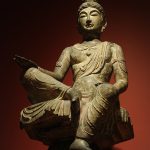
Sometimes, when I find zazen challenging or dull, I engage it as a practice of trying to be completely joyful and at ease in this moment – just the way life is right now: in this body, with these aches, bad habits, and unfinished projects, in this moment’s confusing world that is so beautiful and terrible at the same time. This approach contrasts with practicing zazen in order to achieve joy and ease. When I’m meditating in order to obtain a result (such as relief from...
read moreDo All Beings Have Buddha Nature? No.

In one of the most famous Zen koans, a monk asks Zen master Joshu whether a dog has buddha nature. According to Buddhist teachings, all beings have – or are – awakened nature. This may be interpreted as saying all beings have the potential to awaken to reality and liberate themselves and others from self-imposed suffering, or that all life wakes up to the truth eventually, so all beings will inevitably become buddhas. It’s a lovely vision in any case. Joshu answers the monk, “Mu.”...
read moreAm I Practicing Hard Enough?

If you think of yourself as having a Zen practice, you should regularly ask yourself this question. On the other hand, if the question stresses you out, you’re missing the point of Zen practice. I am coming to believe that the essence of Zen is learning to embrace paradox. This means learning to fully engage with life even when you encounter a situation where two apparently contradictory things are simultaneously true. In paradox, it’s not that one thing is sometimes true and the opposing thing is true at other times. It’s not that the situation looks a particular way from one vantage point, and looks another way from a different vantage point. In paradox, both things are fully true at exactly the same time. When you consider how hard you’re practicing, the paradox is this: You can always practice harder, and should, and Perfect, complete practice is always – and instantly – available to you this very moment. Let’s examine both sides of this paradox, and then how real practice is about fully actualizing both.
read moreThe Experience of Less-Self

Excerpted with permission from Idiot’s Guides: Zen Living by Domyo Burk — As I mentioned earlier, you can’t recognize when you are living without the filter of your self-concept. The moment you think, “Ah, here I am, experiencing no-self,” the self-concept is obviously back. Still, you can learn to live with less-self, and this is definitely something you can appreciate and work on. Ironically, Zen practice can make experiencing less-self more difficult, at first. All of the Zen...
read moreDispelling Illusion
Excerpted with permission from Idiot's Guides: Zen Living by Domyo Burk No matter how many things you recognize are not part of your self-essence, you can still persist in believ-ing you have one. After all, it just feels like you do. Even if you manage to let the mind settle in zazen, and refrain from identifying any of your thoughts and feelings as self, there’s you sitting zazen! Many Zen teachings and methods are aimed at getting you to drop this self illusion. One of...
read moreThe Empty World
Excerpted with permission from Idiot's Guides: Zen Living by Domyo Burk One Big Reality One of the first things you realize once you get a good look at reality is that a lot of the things you previously thought were real were simply your concepts about the world. It’s kind of like you’ve been wearing a pair of glasses all your life that gave everything a certain hue and were covered with little stars. Naturally, you thought the world was that color, and you probably built your...
read moreWhat Self to Have Faith In?
A commentary on Zen Master Lin-chi’s teaching. Quotations are from Chapter 11 of The Zen Teachings of Master Lin-chi, translated by Burton Watson (New York, NY: Columbia University Press, 1993) The Master instructed the group, saying: Those who study the Dharma of the buddhas these days should approach it with a true and proper understanding. If you approach it with a true and proper understanding, you won’t be affected by considerations of birth or death, you’ll be free to go or stay as...
read moreProvocative Zen Teachers
Some Zen teachers are pussy cats, and some are tigers. Some are emphatic, some are ambiguous, some are dogmatic, and some eschew all dogma. Which Zen teachers are right? When you are still searching for a teacher to trust, this may feel like a very important question. You are probably drawn to a particular kind of teacher, but you may also have doubts and feel drawn to more than one kind. The teacher at your local Zen center, for example, may present himself as a spiritual friend who can help...
read moreEnlightenment as Choice, Not Skill
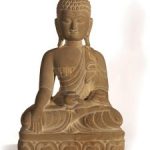
You can choose to be enlightened this moment. Your enlightenment does not depend on any skill such as the ability to concentrate, the ability to stay in the present moment, or the ability to overcome your attachments. Perfect Zen meditation, or zazen, is the same thing as enlightenment. The reality of enlightenment can never be completely conveyed in words, but these point toward it: resting in the sufficiency of being. Letting go of the concern for self that leads us to ponder the past and...
read moreWhat’s the Good of Zen Teachers?
Why, in a tradition like Buddhism in which you are supposed to verify everything for yourself, is there such an emphasis on Teachers? In Zen our relationships to teachers are complex and multilayered. Relationships with teachers, whether brief and informal or long-term and committed, are every bit as complex, nuanced and varied as any of our human relationships. Every teacher-student relationship is different. Like our other relationships, they can be supportive, rewarding, instructive,...
read more“Religious” Versus “Spiritual” Versus “Practicing Being Human”

Many people will say, “I’m spiritual, not religious.” What does this really mean, and what significance do these concepts have in our world? When people describe themselves as “spiritual” they usually mean that they pay attention to aspects of life beyond our personal physical, emotional and mental concerns. By “spiritual” they refer to intangible things like meaning, universal truths, the nature of existence, or, literally, spirits and deities. When they say they are “not religious,” on the...
read moreWhy Meditate for Eight Hours a Day for Six Straight Days?

Periodically Zen Buddhists gather for sesshin, or 5-10 day silent meditation retreats. During sesshin participants follow a rigorous schedule from dawn until dusk that includes 5-10 hours a day of seated meditation (and sometimes more). Sesshin is a powerful tool for spiritual transformation. A little like a meditation marathon, sesshin requires enormous endurance. Experiences during sesshin include periods of bliss, boredom, profound stillness and peace, agitation, exquisite appreciation for...
read moreStep One – Commit to Stillness, Don’t React
Click here to read this post on Patheos.com
read moreThe Courage to Face Our Shit
Every time we sit down in meditation we are challenged to face our shit. What is really going on in our body-mind? What ideas are we stubbornly holding onto? What are we afraid of? What would we rather not deal with – anger, resentment, longing, dissatisfaction, numbness? What, or who, are we rejecting? What aspect of our lives makes us want to act selfishly or childishly – by throwing a tantrum, blaming others, or refusing to participate? We don’t have go seeking for our shit when we...
read more


